When a roof begins showing signs of damage, homeowners are often faced with an important question: Should I repair my roof or replace it completely?
This decision is not always straightforward. A small leak, a few damaged shingles, or visible wear does not automatically mean a full roof replacement is necessary. At the same time, continuing to repair an aging roof that has reached the end of its useful life can lead to repeated expenses and ongoing problems.
Your roof is one of the most important protective systems of your home. It helps defend against rain, wind, temperature changes, moisture intrusion, and weather-related damage. When roofing problems appear, the goal is not simply to choose the cheapest immediate solution. The goal is to determine which option provides the right level of protection, reliability, and long-term value for your specific situation.
Understanding the difference between roof repair and roof replacement can help homeowners make a more informed decision before investing in roofing work.
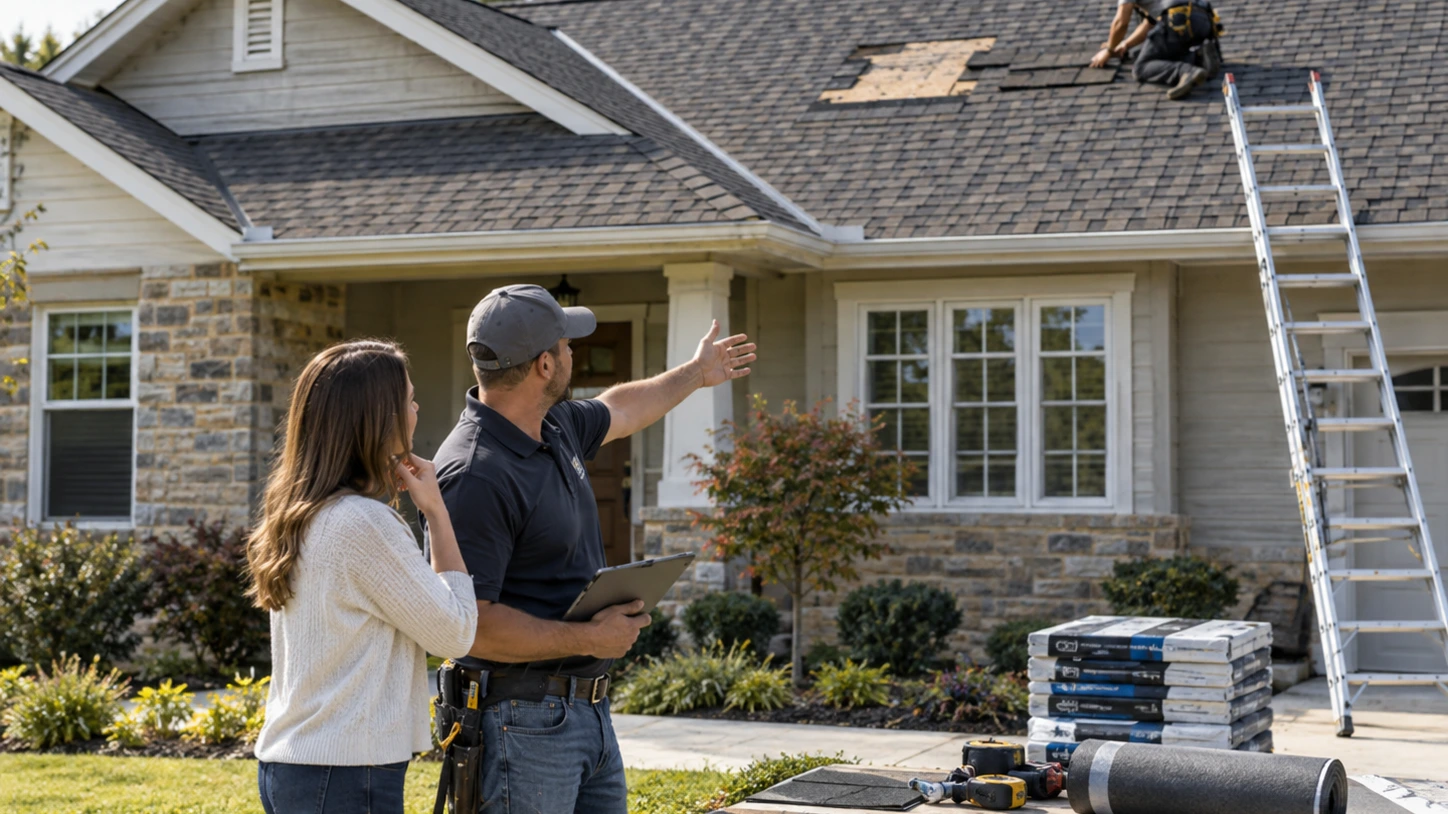
Why Homeowners Struggle With The Roof Repair vs Replacement Decision
Many homeowners find this decision challenging because roof problems are often more complex than they appear from the ground.
A visible issue, such as a missing shingle or water stain on a ceiling, may only represent one part of a larger roofing problem. In other situations, what appears to be a major issue may only require a targeted repair.
For example, imagine a homeowner notices water entering the attic after a heavy storm. The immediate reaction may be to assume the entire roof needs to be replaced. However, after an inspection, the issue may be traced to a damaged flashing area or a small section of missing shingles that can be repaired.
On the other hand, a homeowner may notice a small leak and assume a simple patch will solve the problem. If the roof is already aging, has widespread wear, or has experienced multiple previous repairs, that small leak could be a sign of a larger decline.
The challenge is understanding whether the problem is:
- A specific issue affecting one area of the roof
- A sign that the entire roofing system is deteriorating
- Damage caused by weather events
- Normal aging of roofing materials
- A problem that may continue even after repair
This is why professional evaluation plays such an important role in making the right decision.
The Difference Between Repairing A Roof And Replacing A Roof
Roof repair and roof replacement are both solutions for roofing problems, but they serve different purposes.
A roof repair focuses on restoring damaged areas while keeping the existing roofing system in place. The goal is to correct a specific problem and extend the roof’s performance.
A roof replacement involves removing the existing roofing materials and installing a completely new roofing system. This addresses broader concerns related to aging, widespread damage, or declining roof performance.
Think of it like maintaining any major system in your home. A small issue with one component may only require a repair. However, when multiple parts begin failing at the same time, replacing the entire system may become the more practical option.
A roofing professional typically considers several factors before recommending either approach:
- The current condition of the roof
- The age of the roofing materials
- The amount and location of damage
- Previous repair history
- Signs of moisture intrusion
- Long-term homeowner plans
The decision should be based on the condition of the roof rather than simply choosing between a smaller or larger project.
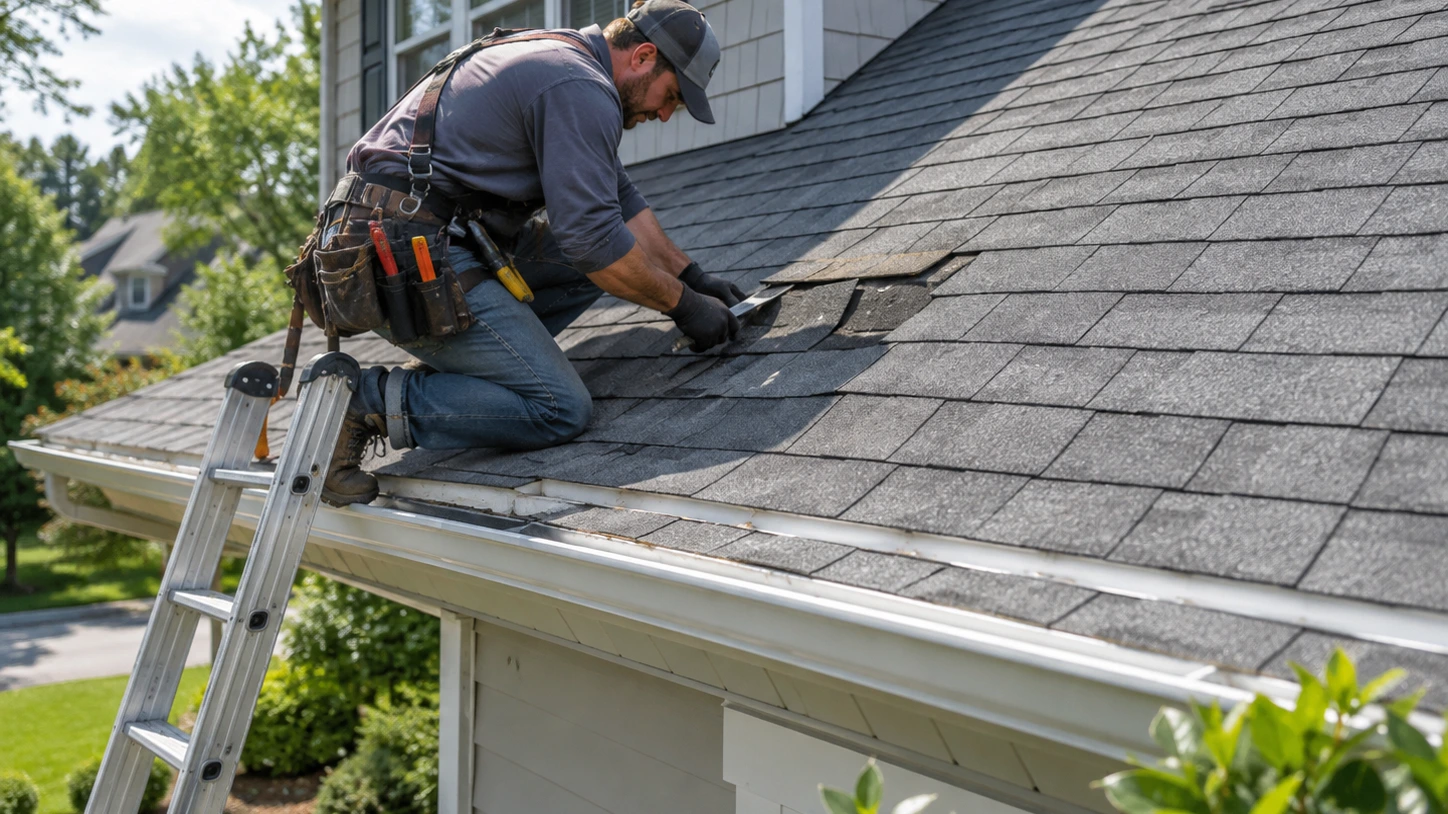
When Roof Repair Is Usually The Right Choice
Roof repair can be an effective solution when the damage is limited and the rest of the roofing system remains in good condition.
Many roofing problems can be repaired successfully when they are identified early.
Common situations where roof repair may make sense include:
Localized Roof Leaks
A leak does not always mean the entire roof has failed. Water can enter through specific areas such as damaged flashing, roof penetrations, or a small section of compromised materials.
Addressing the source of the leak quickly can help prevent additional damage to insulation, ceilings, walls, and interior areas of the home.
A Few Missing Or Damaged Shingles
Strong winds, falling branches, or severe weather can remove or damage individual shingles. If the surrounding roof remains healthy, replacing those affected areas may restore protection.
However, it is important to evaluate the surrounding shingles as well. A roof with widespread shingle deterioration may require a different approach.
Minor Flashing Problems
Flashing helps direct water away from vulnerable areas of the roof, such as chimneys, vents, and roof intersections.
Damaged or improperly functioning flashing can create leaks even when the majority of the roof is still in good condition.
Limited Storm Damage
After a storm, some roofs experience isolated damage rather than complete failure.
A professional inspection can determine whether the damage is limited enough for repairs or whether the storm affected a larger portion of the roofing system.
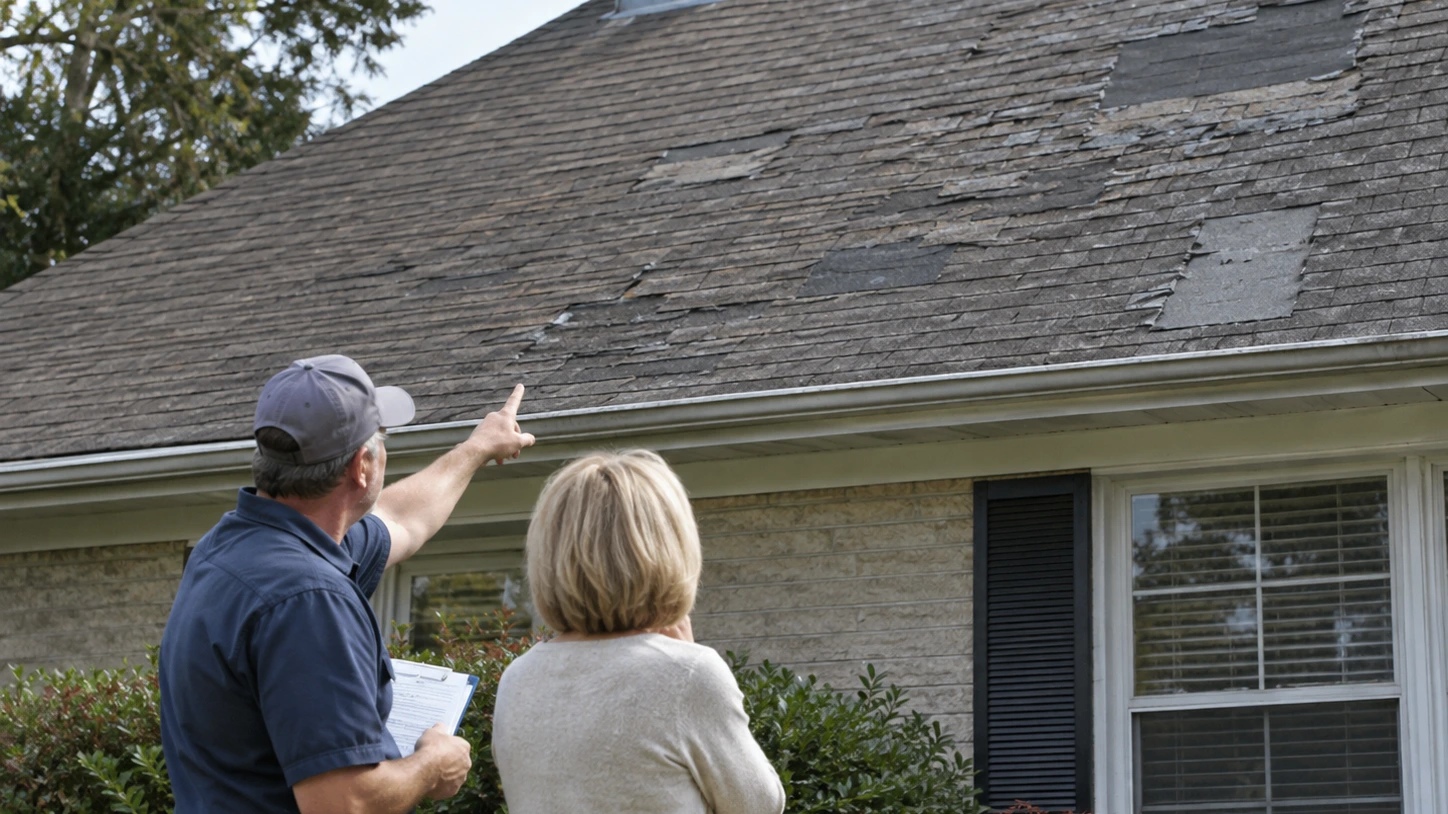
Situations Where Roof Repair May Only Delay A Larger Problem
While repairs can solve many roofing issues, they are not always the best long-term choice.
Some warning signs suggest that repair may only provide a temporary solution:
Repeated Roofing Problems
If the same roof continues requiring repairs, the issue may not be individual damage but an aging roofing system.
For example, repairing one leak today and discovering another leak months later may indicate that multiple areas of the roof are beginning to fail.
An Aging Roof With Increasing Issues
Roofing materials naturally become less effective over time. As materials age, they may become more vulnerable to weather exposure, moisture, and temperature changes.
A repair may fix one problem, but older materials may continue developing new issues.
Widespread Wear Across The Roof
A roof with damage in multiple areas may require more than isolated repairs.
Signs of widespread deterioration may include:
- Numerous damaged shingles
- Extensive granule loss
- Curling or cracking materials
- Multiple weak areas
- Visible aging throughout the roof surface
When damage affects large portions of the roof, replacement may provide a more complete solution.
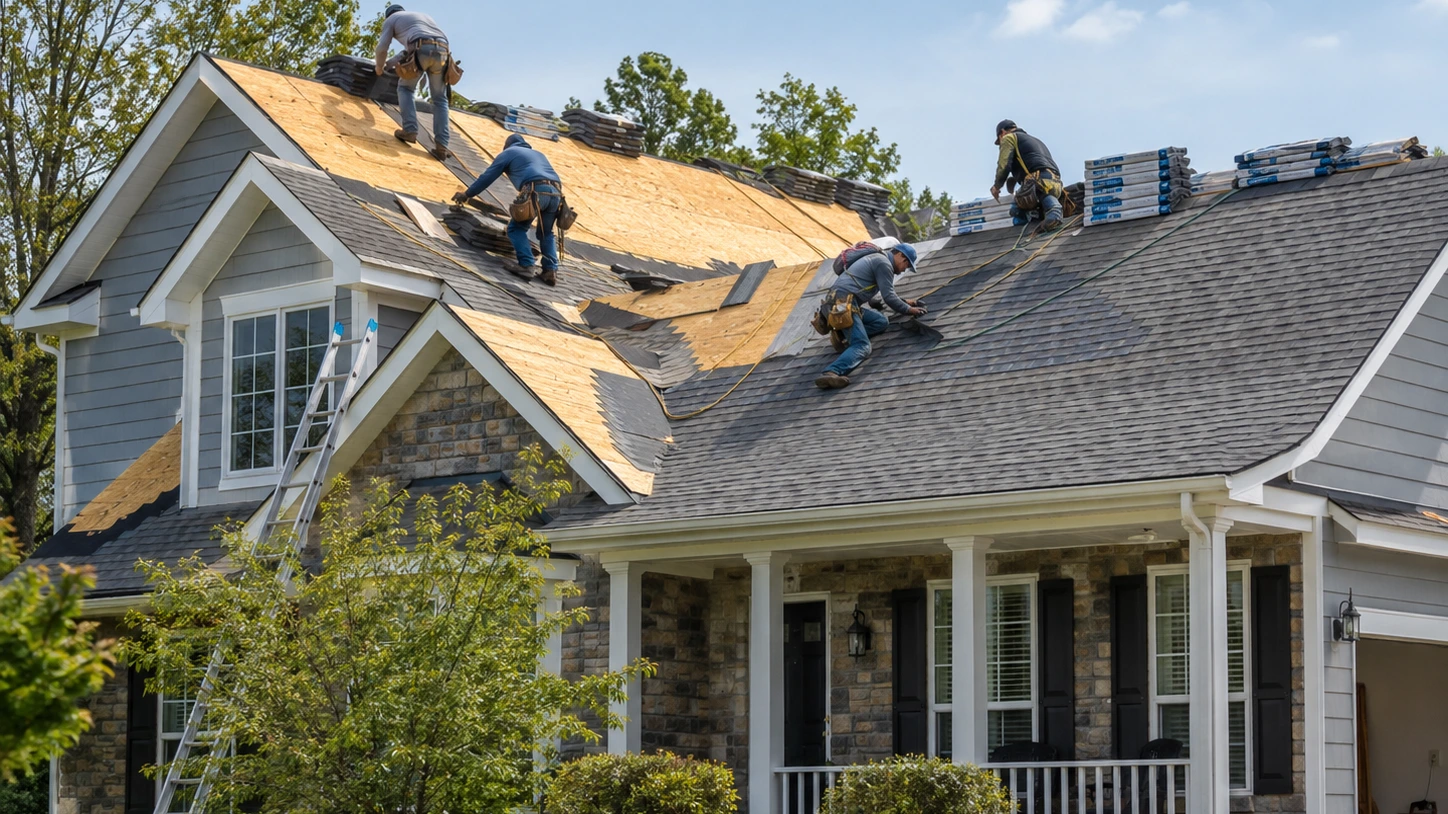
When Roof Replacement Becomes The More Practical Choice
Roof replacement is generally considered when the existing roofing system can no longer provide reliable protection.
A replacement may be recommended when:
- The roof has reached the end of its service life
- Damage affects large sections of the roof
- Repairs are becoming frequent
- Severe weather has caused extensive damage
- Moisture has affected underlying components
- The roofing system is no longer performing as expected
A new roof provides homeowners with a fresh roofing system rather than continuing to maintain materials that may already be declining.
Replacement can also provide an opportunity to address underlying concerns that may have contributed to previous problems, including ventilation issues, outdated materials, or long-term moisture exposure.
How Roof Age Influences The Decision
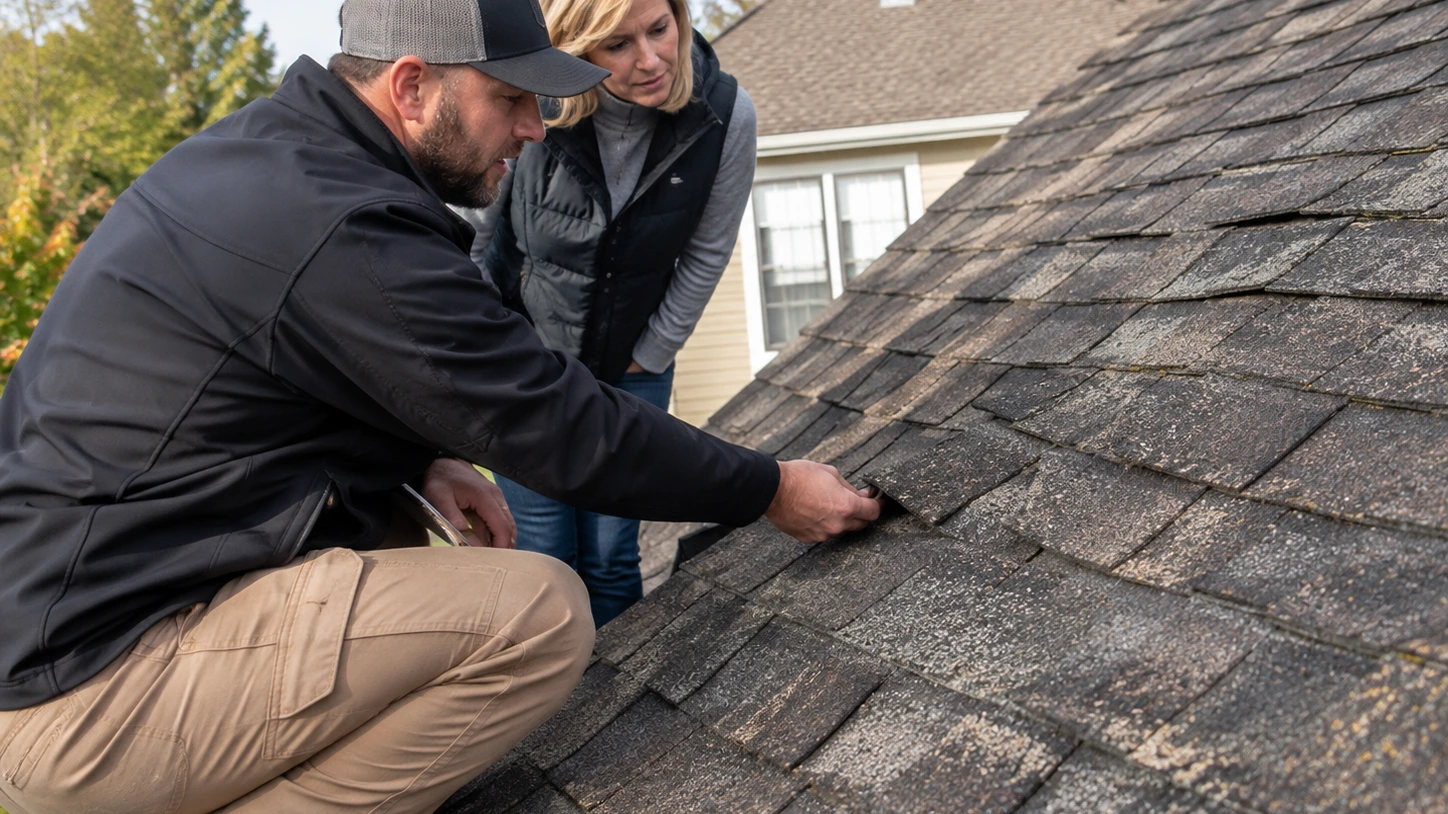
One of the first questions homeowners should consider is: How old is my roof?
Age does not automatically determine whether replacement is necessary, but it provides important context.
A newer roof with isolated damage may often be repaired successfully. An older roof with similar damage may require a more careful evaluation because the remaining materials may already be approaching the end of their expected performance.
For example:
A relatively new roof with one damaged area after a storm may only need a targeted repair.
An older roof with several leaks, worn shingles, and previous repair history may require replacement to avoid continuing problems.
Roof age should always be considered together with damage level, material condition, and future expectations.
How The Extent Of Roof Damage Changes The Decision
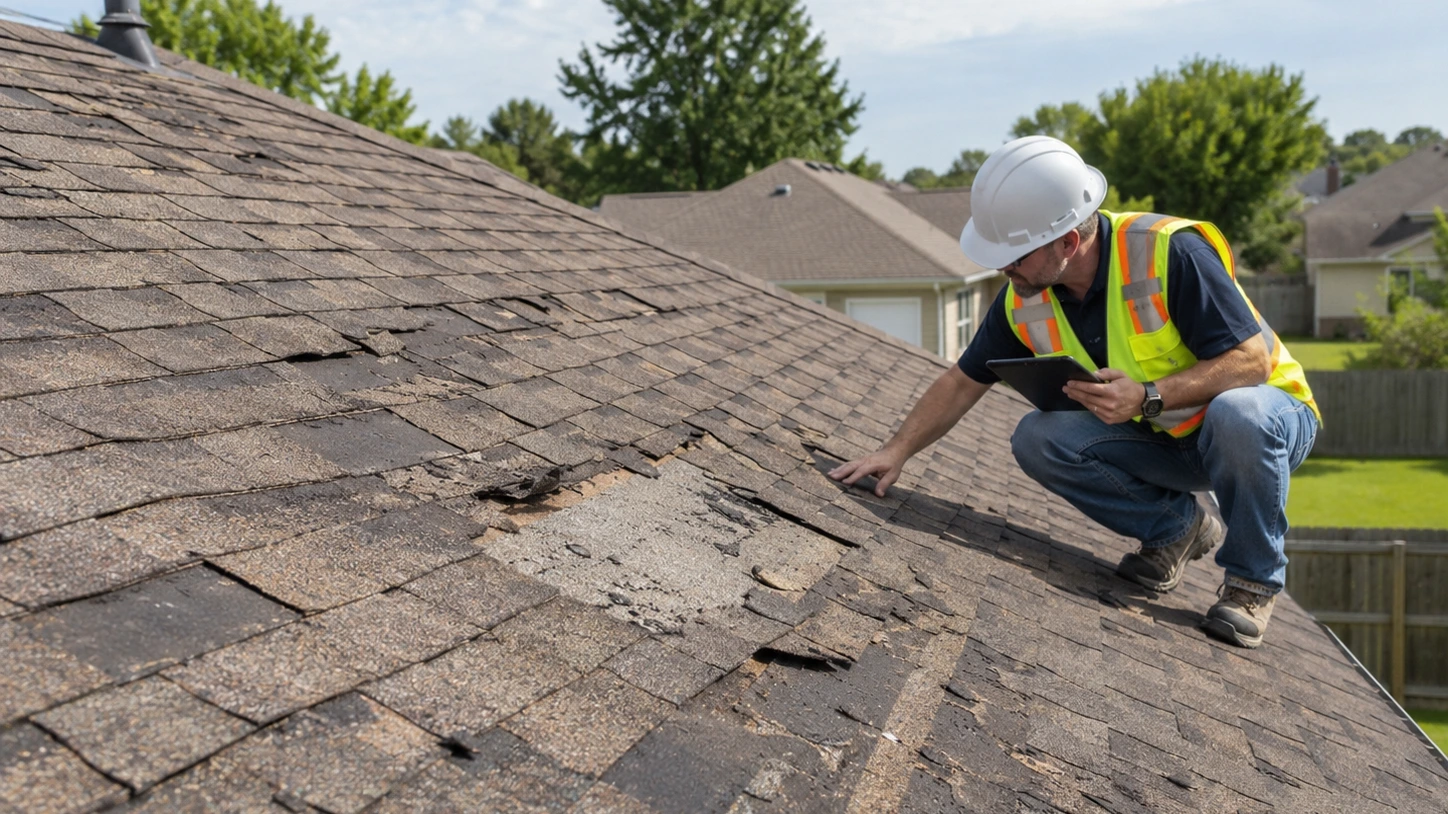
The amount of damage is one of the most important factors when deciding between roof repair and roof replacement.
Not all roof damage has the same impact. A small problem in one area of the roof may be manageable with a repair, while damage affecting a large portion of the roofing system may require a more comprehensive solution.
Roofing professionals typically evaluate whether the damage is:
- Localized: Limited to a specific area and easier to correct
- Widespread: Affecting multiple sections of the roof
- Surface-level: Limited to visible materials
- Underlying: Affecting components beneath the roof surface
Understanding this difference helps homeowners avoid making decisions based only on what they can see.
Localized Damage May Only Require Repair
When damage is isolated, repair can often restore the affected area without replacing the entire roof.
Examples may include:
- A small section of missing shingles
- A single damaged roof penetration
- Minor flashing failure
- A limited leak caused by one damaged area
In these situations, replacing or repairing the affected components may restore the roof’s ability to protect the home.
However, the surrounding areas should still be evaluated to make sure the visible damage is not part of a larger problem.
Widespread Damage May Point Toward Replacement
When damage extends across multiple areas of the roof, replacement may become a more practical option.
Examples include:
- Multiple leaking areas
- Large sections of missing shingles
- Extensive storm damage
- Significant material deterioration
- Moisture affecting underlying roofing components
A roof functions as a complete system. If several parts are failing at the same time, repairing individual areas may not provide the long-term protection homeowners expect.
How Weather And Storm Damage Affect Repair Or Replacement Decisions
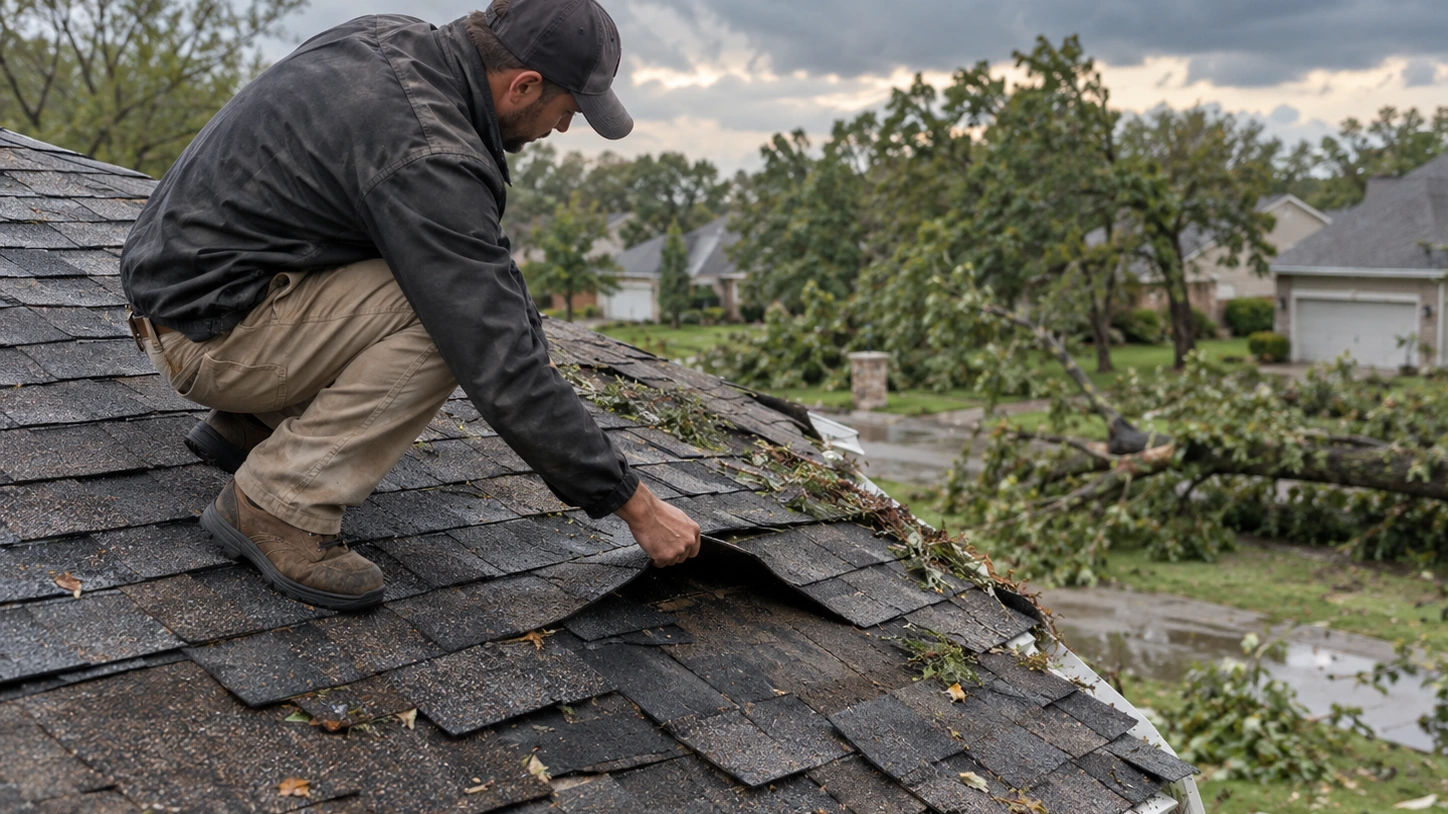
Weather is one of the most common causes of roofing problems. Strong winds, heavy rain, hail, and severe storms can affect roofing materials in different ways.
After a storm, some damage may be obvious, while other problems may remain hidden.
Visible signs of storm-related roof damage may include:
- Missing shingles
- Damaged roof edges
- Loose roofing materials
- Exposed areas of the roof
- Water stains inside the home
- Damaged flashing or roof accessories
However, not all storm damage can be identified from the ground. Small impacts, loosened materials, or hidden moisture issues may not become noticeable until later.
For example, a homeowner may notice a few missing shingles after a storm and assume the problem is minor. During an inspection, additional damage may be discovered in nearby areas that were not visible from outside the home.
This is why storm damage evaluation is an important step before deciding whether repair or replacement is the better option.
Why A Roof Inspection Is Important Before Making A Decision
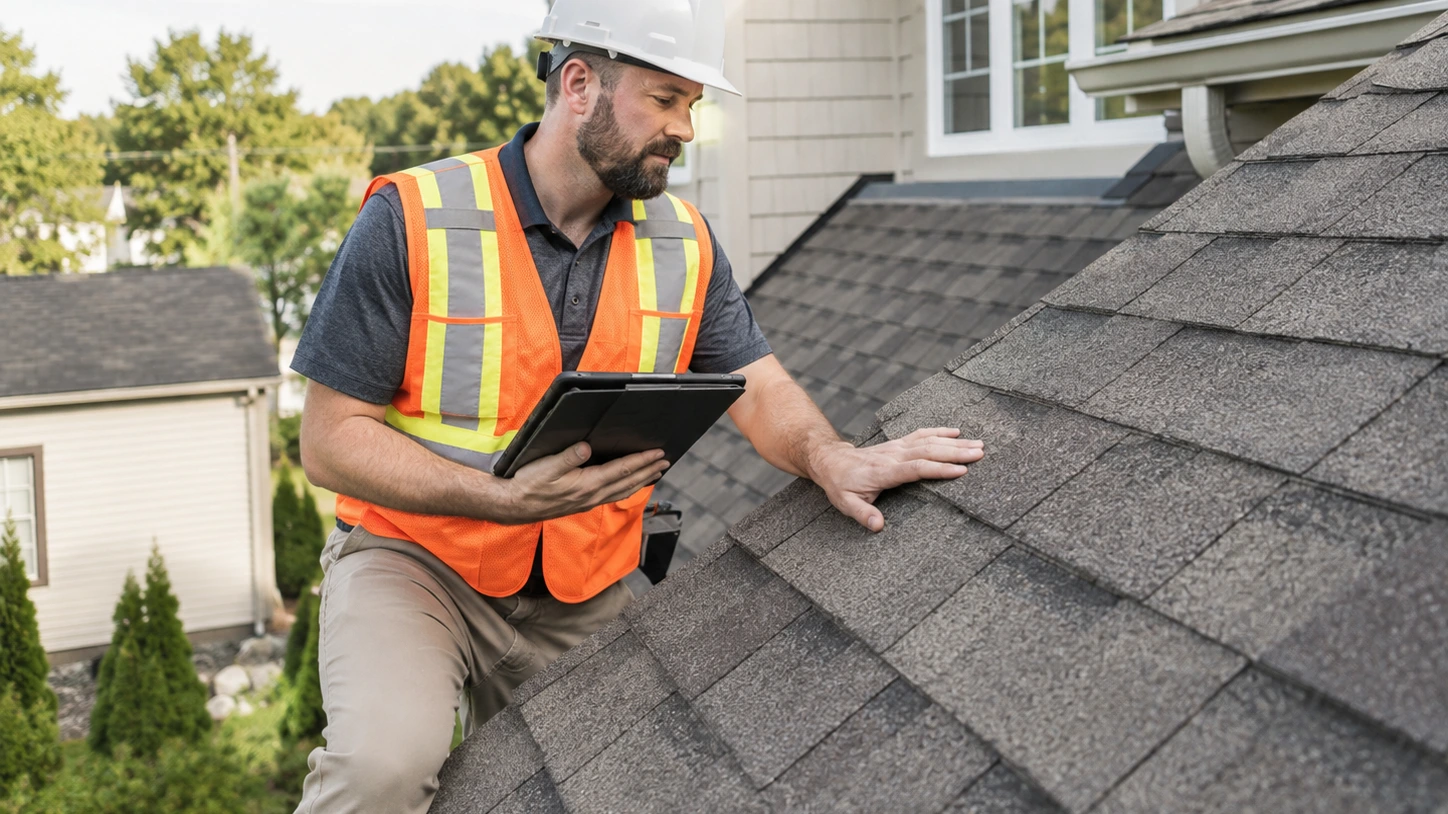
Choosing between roof repair and replacement without understanding the actual condition of the roof can lead to unnecessary expenses or missed problems.
A professional roof inspection helps identify the current condition of the roofing system and provides a clearer picture of available options.
During an evaluation, a roofing professional may look at:
- Condition of shingles or roofing materials
- Signs of water intrusion
- Areas of deterioration
- Flashing condition
- Roof ventilation
- Previous repair areas
- Potential future concerns
The purpose of an inspection is not simply to identify damage. It is to understand why the damage occurred and whether the solution will provide lasting results.
For homeowners comparing roof repair vs replacement, accurate information is the foundation of a good decision.
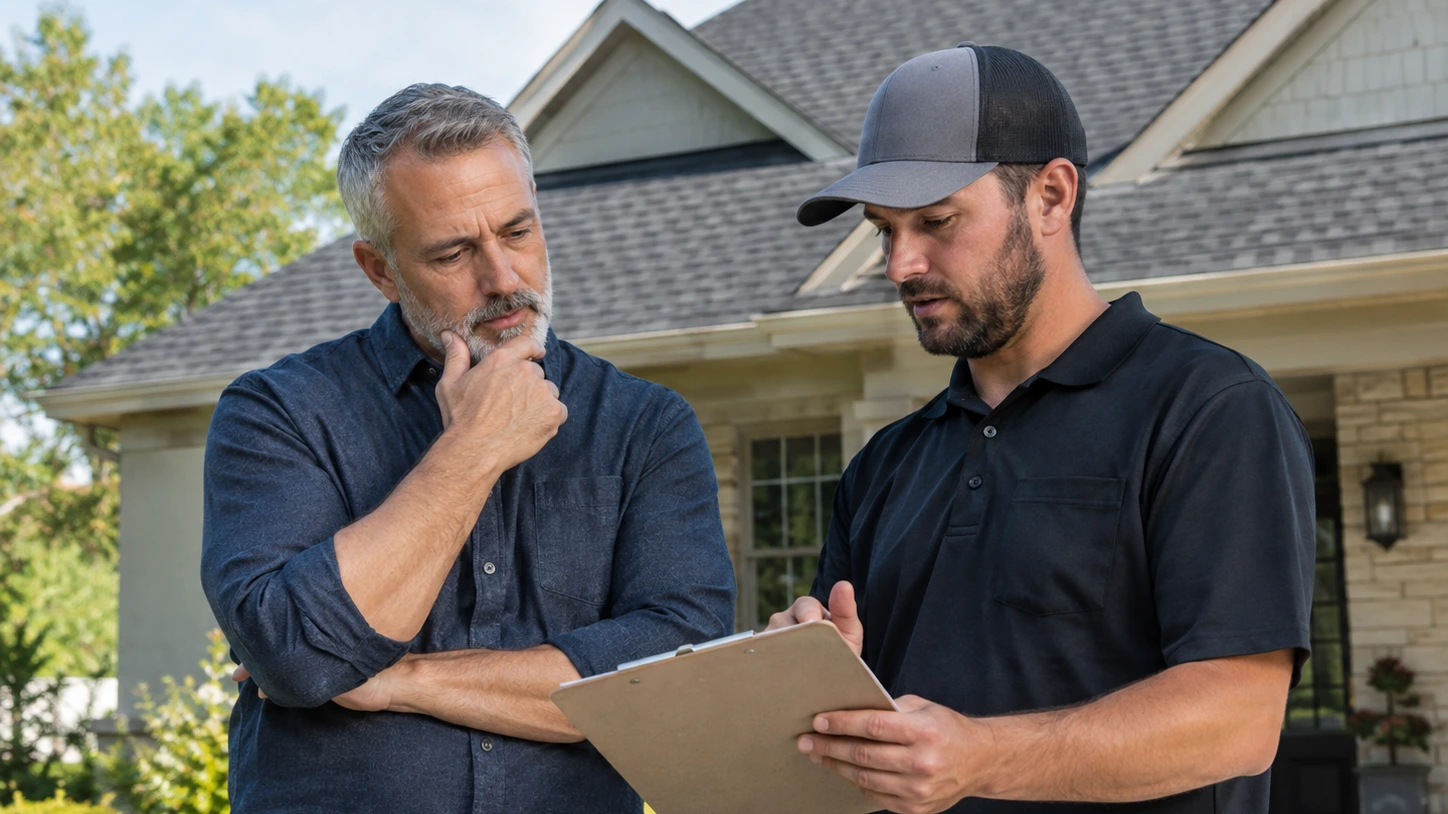
Comparing Short-Term Savings With Long-Term Value
One of the biggest factors homeowners consider is cost.
Roof repairs usually require a smaller upfront investment because they focus on specific problems. Roof replacement requires a larger initial commitment because it involves installing an entirely new roofing system.
However, the lowest upfront cost is not always the most cost-effective option over time.
A repair may be the right choice when:
- The roof is still in good overall condition
- The damage is limited
- The repair addresses the actual cause of the problem
- The roof still has significant remaining life
A replacement may provide better long-term value when:
- Repairs are becoming frequent
- The roof is aging
- Damage is affecting multiple areas
- Future repair needs are likely
Homeowners should consider both the immediate expense and the expected performance of the roofing solution.
The Impact Of Previous Roof Repairs
A roof’s repair history can provide valuable information about its overall condition.
One repair does not necessarily indicate a problem. Many roofs experience occasional issues that can be resolved effectively.
However, repeated repairs in different areas may suggest that the roof is experiencing broader deterioration.
For example, a homeowner may repair a leak one year, replace damaged shingles the next year, and then discover another problem afterward. While each repair may solve an individual issue, the pattern may indicate that the roof is reaching a point where replacement deserves consideration.
Looking at the complete history of the roof helps homeowners make decisions based on long-term performance rather than only the current problem.
Questions Homeowners Should Ask Before Choosing Repair Or Replacement
Before moving forward with roofing work, homeowners should have a clear understanding of what is happening with their roof.
Important questions include:
What caused the damage?
Understanding the cause helps determine whether fixing one area will solve the problem or whether additional issues may appear.
How much of the roof is affected?
A small damaged section and widespread deterioration require different approaches.
How much useful life does the roof have remaining?
The age and condition of the roof can influence whether repair is a practical long-term solution.
Will this repair solve the problem permanently?
Some repairs address immediate issues, while others may only provide temporary relief if the roof has larger underlying concerns.
What are the long-term options?
Understanding future maintenance needs can help homeowners choose a solution that matches their goals.
Common Mistakes Homeowners Make When Deciding Between Roof Repair And Replacement
Roofing decisions can become more complicated when homeowners focus only on the immediate visible problem.
Some common mistakes include:
Waiting Too Long After Noticing Damage
Small roofing issues can sometimes become larger problems when ignored. A minor leak may eventually affect insulation, ceilings, or other areas of the home.
Choosing A Repair Without Evaluating The Entire Roof
A repair may fix one visible problem, but it is important to understand whether other areas are also showing signs of decline.
Assuming A Newer Roof Never Needs Replacement
While newer roofs may often be repair candidates, severe storm damage or unexpected problems can still require significant work.
Focusing Only On Initial Cost
The cheapest option today may not always provide the best long-term value if repeated repairs become necessary.
A complete evaluation helps homeowners make decisions based on the actual condition of their roof.
Making A Decision Based On Your Home’s Long-Term Needs
Choosing between roof repair and roof replacement is not only about solving the current roofing problem. It is also about considering how the decision fits your long-term plans for your home.
Every homeowner’s situation is different. A repair that makes sense for one property may not be the right solution for another.
Several factors can influence the best approach:
- How long you plan to stay in the home
- The current condition of the roof
- Future maintenance expectations
- The level of protection your home needs
- Your budget and project priorities
For homeowners planning to remain in their property for many years, investing in a replacement may provide confidence that the roofing system is prepared for future weather conditions and daily exposure.
For homeowners with a roof that is still in good condition but has one isolated issue, a repair may provide the appropriate solution without replacing a system that still has useful life remaining.
The goal is not to choose repair or replacement based on assumptions. The goal is to choose the option that matches the actual condition of the roof.
How Roofing Materials Influence Repair And Replacement Decisions
The type of roofing material installed on your home can also affect how professionals approach repairs and replacement.
Different roofing materials have different characteristics, including:
- Expected durability
- Resistance to weather conditions
- Maintenance requirements
- Appearance changes over time
- Availability of replacement materials
For example, if only a small section of a roof has been damaged and matching materials are available, repair may be a practical option.
However, if roofing materials are older, discontinued, or showing widespread deterioration, replacement may provide a more consistent and reliable result.
A roofing professional can evaluate whether repairs will blend effectively with the existing roof and whether the remaining materials are still capable of providing proper protection.
The Importance Of Addressing Small Roof Problems Early
Many major roofing issues begin as smaller problems.
A minor leak, loose shingle, or damaged flashing area may not appear serious at first. However, moisture can gradually create additional concerns if the source of the problem is not addressed.
Ignoring roofing issues may contribute to:
- Increased water intrusion
- Damage to interior areas
- Deterioration of roofing components
- More extensive repairs in the future
For example, a homeowner who notices a small ceiling stain may assume it is only a minor issue. However, the source of the moisture may have been developing for some time before becoming visible.
Early evaluation gives homeowners a better opportunity to understand whether a simple repair can resolve the issue or whether a larger solution is needed.
Repair Or Replace After Storm Damage: What Homeowners Should Consider
Storm damage creates a unique situation because the decision is often influenced by both the visible damage and the overall condition of the roof.
After severe weather, homeowners should consider:
The Age Of The Roof Before The Storm
A newer roof with isolated storm damage may often be repaired.
An older roof that experiences storm damage may require a more complete evaluation because the weather event may have affected already weakened materials.
The Amount Of Damage
A few damaged areas may be repairable, while widespread damage may require replacement.
Previous Roof Condition
Storm damage does not happen in isolation. The condition of the roof before the event matters.
A roof that was already experiencing wear may respond differently to severe weather compared with a newer roofing system.
A professional assessment can help determine whether restoration through repair is realistic or whether replacement would provide better protection.
How Professional Roofing Recommendations Should Be Evaluated
When receiving recommendations for roof repair or replacement, homeowners should understand the reasoning behind the recommendation.
A trustworthy roofing evaluation should explain:
- What problems were identified
- Why those problems occurred
- What solutions are available
- The expected purpose of each option
- What may happen if repairs are delayed
A good recommendation should be based on the condition of the roof, not simply on choosing the largest project.
Homeowners should feel comfortable asking questions and understanding why a specific solution is being suggested.
Preparing For A Roof Repair Or Replacement Project
Once homeowners decide on the right approach, preparation can help create a smoother experience.
Before starting roofing work, homeowners may want to consider:
- Understanding the scope of work
- Knowing what areas will be addressed
- Discussing expected project timelines
- Preparing the surrounding property
- Understanding communication expectations
For a repair project, this may involve preparing access areas and ensuring the roofing team can safely reach the damaged location.
For a replacement project, preparation may involve protecting outdoor items, understanding installation steps, and planning around construction activity.
Knowing what to expect helps homeowners feel more confident throughout the process.
Why Choosing The Right Roofing Contractor Matters
The quality of the evaluation and workmanship can influence the long-term performance of your roof.
A roofing contractor should be able to explain the difference between repair and replacement options and help homeowners understand the reasoning behind each recommendation.
Important factors homeowners may consider when selecting a roofing professional include:
- Experience with residential roofing systems
- Clear communication
- Detailed explanations of recommended work
- Proper project planning
- Commitment to quality workmanship
A roofing decision is a significant investment in your home, so choosing a contractor who focuses on accurate evaluation and reliable solutions is an important part of the process.
A Simple Roof Repair Vs Replacement Decision Checklist
Before making a final decision, homeowners can consider the following questions:
Is The Damage Limited Or Widespread?
Limited damage may point toward repair, while widespread deterioration may require replacement.
Is The Roof Still Performing Well Overall?
A roof with one problem may still have many years of useful performance remaining.
Are Repairs Becoming More Frequent?
Repeated repairs may indicate that the roofing system is declining.
Is The Roof Protecting The Home Properly?
The main purpose of a roof is protecting the structure from weather and moisture.
What Solution Provides Better Long-Term Value?
The best choice balances current needs with future expectations.
This checklist does not replace a professional evaluation, but it can help homeowners understand the factors involved in the decision.
Final Thoughts: Choosing Between Roof Repair And Roof Replacement
The decision between roof repair and roof replacement depends on the unique condition of your home.
A repair may be the right solution when damage is limited, the roof remains structurally sound, and the problem can be corrected effectively.
A replacement may be the better option when the roof is aging, damage is widespread, repairs are becoming frequent, or the roofing system is no longer providing dependable protection.
The most important step is understanding what your roof actually needs before choosing a solution.
A professional roof inspection can provide the information needed to make a confident decision and protect your home for the years ahead.
For homeowners who are unsure whether they need roof repair or roof replacement, Lanes Contracting can help evaluate the condition of the roofing system and explain available options based on your home’s specific needs.
The post Roof Repair vs Roof Replacement: How Homeowners Decide appeared first on Lanes Contracting.
source https://lanescontracting.com/roof-repair-vs-replacement/


No comments:
Post a Comment