Comparing James Hardie siding vs vinyl siding starts with the appearance you want, your project budget, and the maintenance you are willing to handle. James Hardie fiber cement offers a painted exterior and noncombustible cladding. Vinyl generally costs less upfront and does not require routine repainting. Both need proper installation to protect the wall behind them.
For North Carolina homeowners, the decision also involves rain exposure, summer heat, and the condition of the existing exterior. A siding sample cannot tell you whether your window flashing leaks or the sheathing underneath needs repair.
Compare the complete project before choosing a material. The right choice should fit your home now and remain practical after the installation crew leaves.
James Hardie Siding vs Vinyl Siding at a Glance
James Hardie is a brand of fiber cement siding. Vinyl siding is a material category sold by many manufacturers. That distinction matters because comparing a named Hardie product with unspecified vinyl leaves out differences in panel design, finish, accessories, and warranty coverage.
Use this table to identify your priorities, then request quotes for specific products.
| Decision factor | James Hardie fiber cement siding | Vinyl siding |
|---|---|---|
| Upfront budget | Generally costs more than standard vinyl | Usually the lower initial investment |
| Finished appearance | Painted surface with lap, panel, and shingle options | Molded profiles and factory colors that vary by product line |
| Painting | Available primed or factory finished; future repainting may be needed | Routine repainting is generally unnecessary |
| Fire behavior | Noncombustible cladding; coatings can still be damaged | Can soften or melt under sufficient heat |
| Water management | Requires correct flashing, clearances, and drainage | Requires correct flashing, a water barrier, and drainage |
| Insulation | Evaluate insulation separately from the siding | Insulated vinyl products are available |
| Best starting point | Appearance, paint flexibility, and noncombustibility | Affordability and avoiding a repainting cycle |
These are material-level differences. They do not establish which product will perform best on a particular house. Manufacturer specifications and the proposed wall assembly should guide that decision.
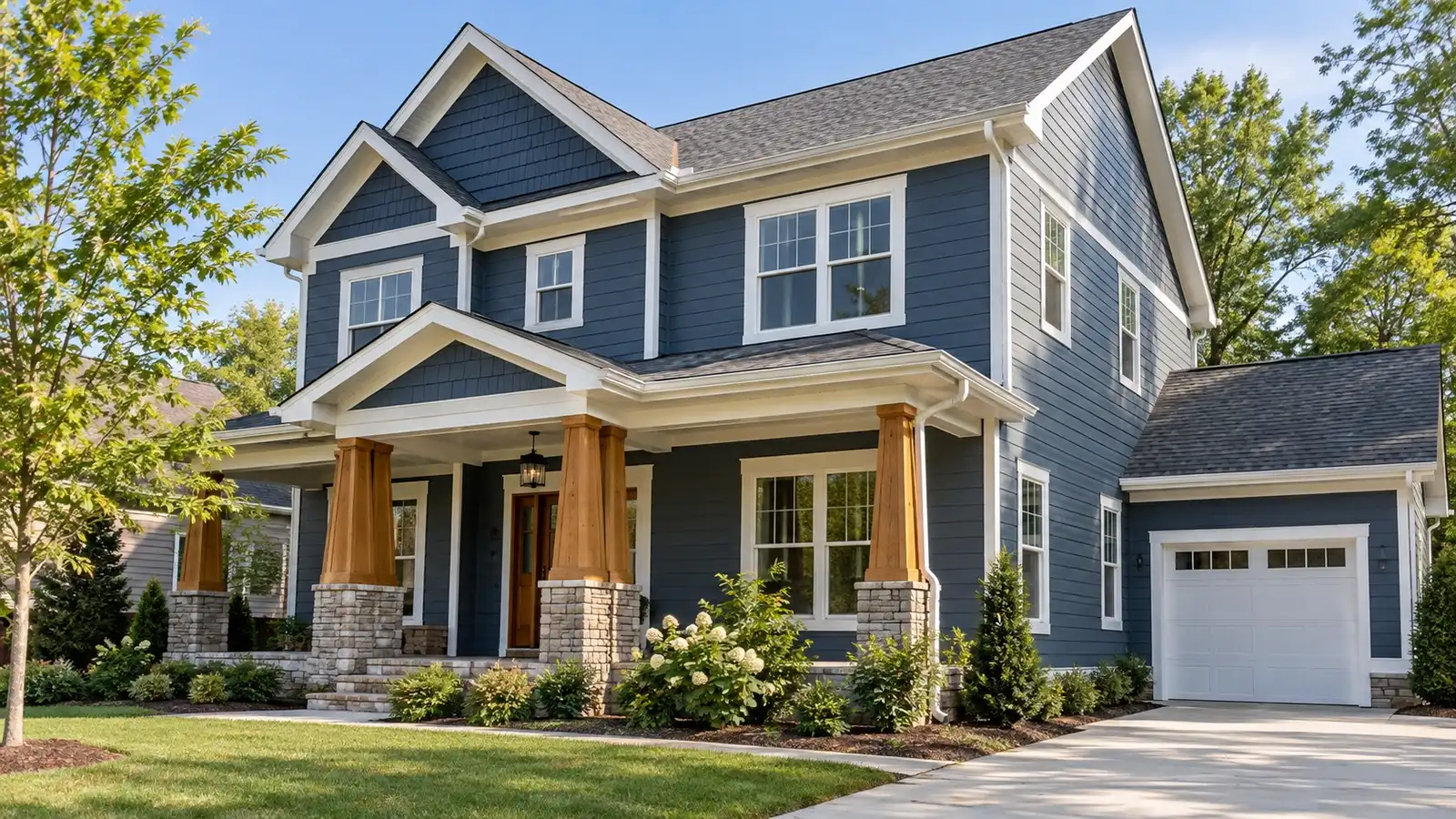
How the Materials Change Your Home’s Appearance
What James Hardie fiber cement offers
Fiber cement combines cement, sand, water, and cellulose fibers. James Hardie uses its own formulation and offers several siding profiles, including horizontal lap boards, vertical panels, and shingle-style products. Depending on the product, the surface may have a smooth or textured finish.
The installed appearance depends on more than texture. Board exposure, corner details, window trim, and the placement of transitions all affect the finished elevation. A narrow lap profile creates a different rhythm from wide boards or vertical panels.
Homeowners considering James Hardie siding should ask to see complete projects with similar architecture. A sample is useful for color, but it does not show how the material works around a porch, bay window, or garage.
What vinyl siding offers
Vinyl is primarily made from polyvinyl chloride, commonly called PVC. Product lines include different horizontal profiles and vertical board-and-batten designs. Conventional vinyl and insulated vinyl should be treated as separate options when comparing features and prices.
Do not judge every vinyl product by the appearance of an older, inexpensive installation. Compare the specific profile, surface texture, visible seams, and matching trim included in your estimate.
When reviewing vinyl siding installation options, request a sample large enough to show the profile. Ask how seams will be positioned on the front of the house and other prominent walls.
Choose colors beside the materials that will remain
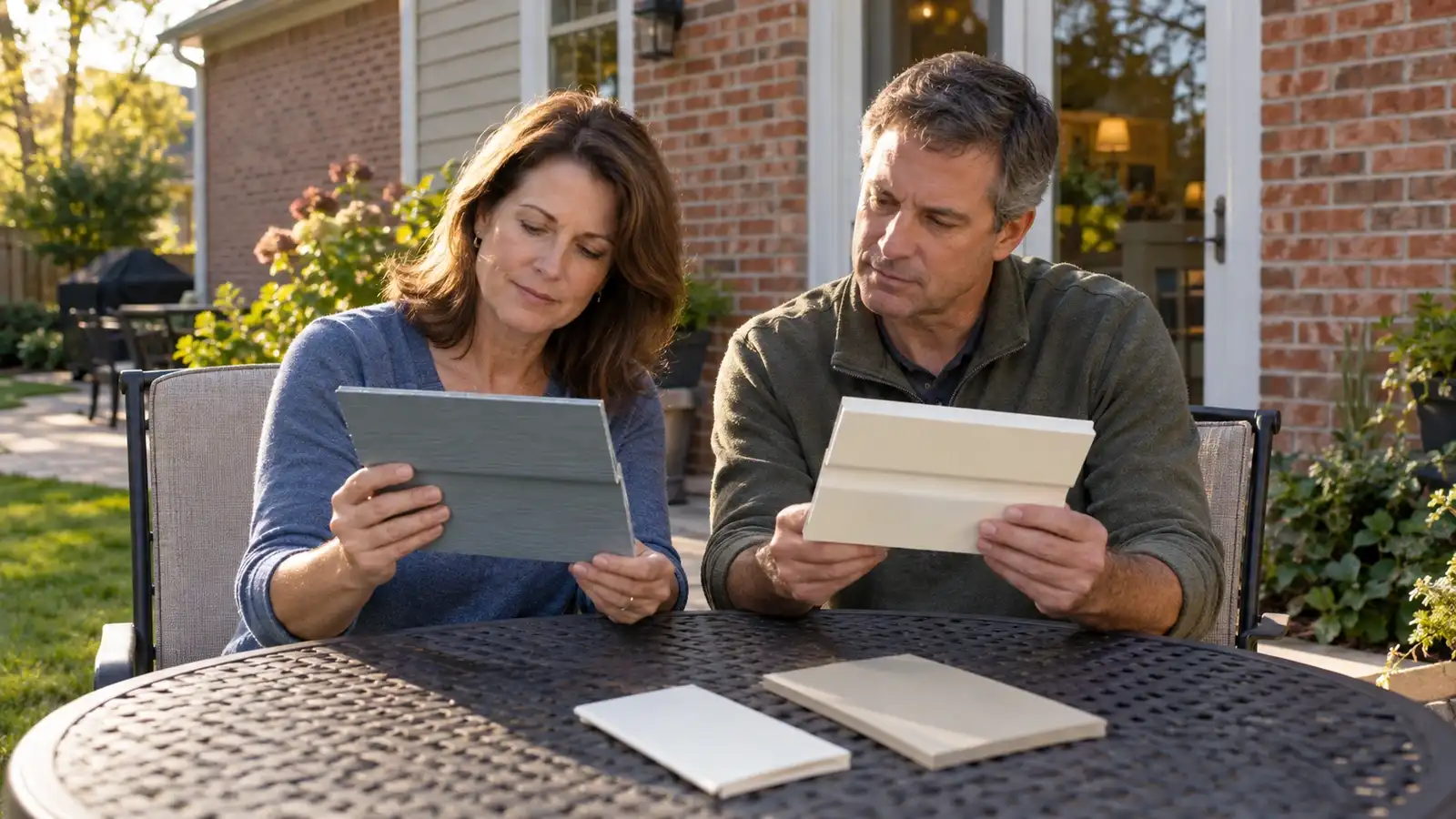
Take samples outside and place them near your roof, brick, stone, and window frames. Look at them in sunlight and shade. A gray that appears neutral indoors may look blue beside warm brick.
Consider how much of the exterior you are changing. Keeping existing trim can limit which siding colors work well. Replacing trim creates more options but adds work to the estimate. Review any neighborhood architectural requirements before materials are ordered.
What Changes the Cost of a Siding Project?
Standard vinyl siding generally has a lower installed cost than fiber cement. However, product selection, removal work, labor, wall condition, and detailing can change the difference substantially. James Hardie’s own pricing guidance directs homeowners toward a local project quote because there is no universal price for its siding.
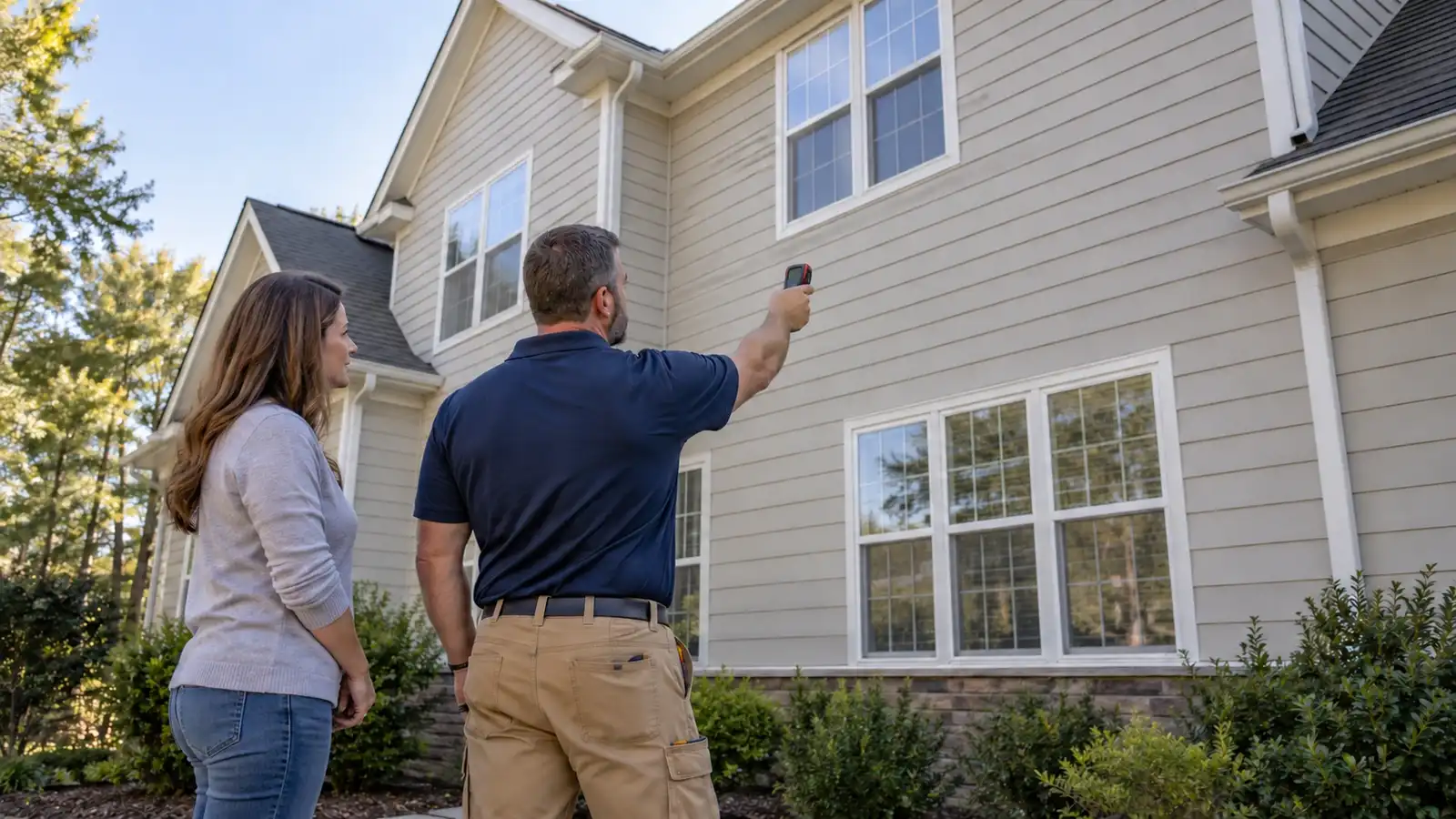
A useful comparison starts with the same scope of work. A vinyl quote that includes sheathing repairs and new trim cannot be fairly compared with a fiber cement quote that leaves those items out.
Ask for the same project in both materials
Request separate estimates based on the same measured exterior and agreed preparation. Each should identify:
- The manufacturer, product line, profile, and finish.
- Which existing siding and trim will be removed.
- The proposed water barrier and flashing work.
- How concealed damage will be documented and priced.
- The trim, soffit, fascia, and accessories included.
- Any insulation, painting, or window-related work.
- Debris removal, cleanup, and workmanship coverage.
This makes the material upgrade easier to understand. You can see what changes when you choose Hardie instead of vinyl, while keeping necessary wall repairs visible in both proposals.
Measure the exterior being covered
Your home’s interior floor area is not its siding area. Wall height, gables, additions, openings, and architectural details affect material quantities and labor. A simple rectangular house and a house with several dormers may have similar living space but very different siding projects.
Ask the contractor how the estimate accounts for windows, doors, cuts, and waste. You do not need to calculate every board yourself. You do need a clear explanation of what the quoted amount covers.
Keep optional upgrades separate from necessary repairs
Imagine two estimates for the same house. One includes removing damaged sheathing around a window; the other lists only new panels. The lower total may reflect missing work, rather than a more affordable material.
Have necessary repairs listed first. Then compare optional items such as decorative gable accents, a different trim package, or added insulation. This makes it easier to adjust the design without sacrificing repairs that the wall needs.
If payment timing affects your plans, review Lane’s Contracting’s project financing options and request the current terms. Keep the full project price visible when comparing payment arrangements.
Include the upkeep you expect to pay for
The installation invoice is only one part of ownership cost. Consider cleaning access, finish maintenance, and the practical cost of repairing an isolated section. Compare those obligations over the period you expect to own the home.
A homeowner who hires help for all exterior maintenance may evaluate future painting differently from someone comfortable arranging or completing that work. Avoid turning either situation into a guaranteed savings calculation. Instead, identify which costs are reasonably foreseeable and which remain uncertain. Ask what upkeep the contractor recommends for each proposed product and retain that information with the estimates.
Rain and Humidity: Look Behind the Siding
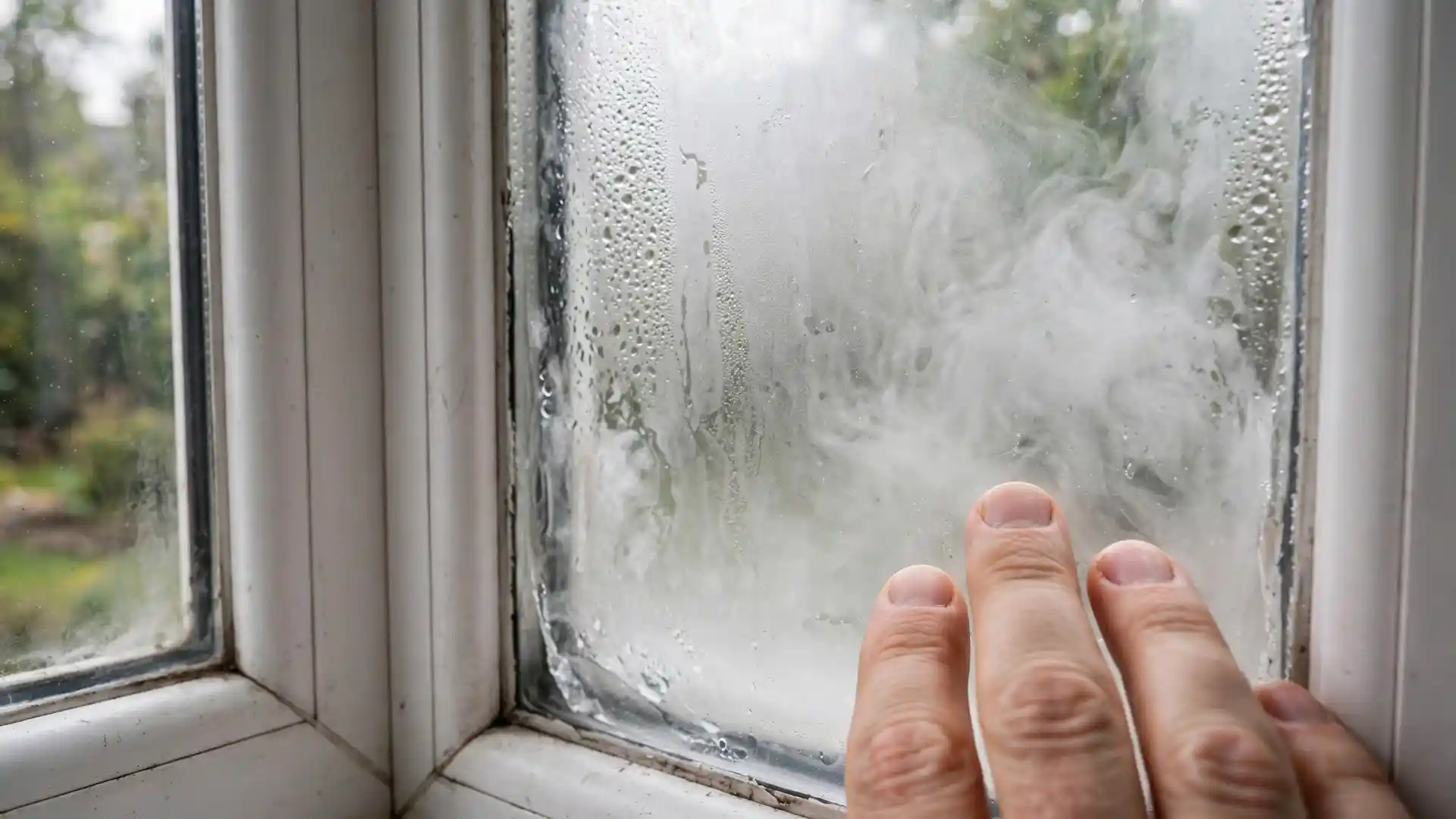
Neither fiber cement nor vinyl should be treated as a waterproof wall. Siding sheds much of the rain, but water can still reach the layers behind it through joints, openings, and other details. A water-resistive barrier and properly integrated flashing provide a path for that water to drain outward.
This is why replacing the visible material alone may not solve a recurring leak.
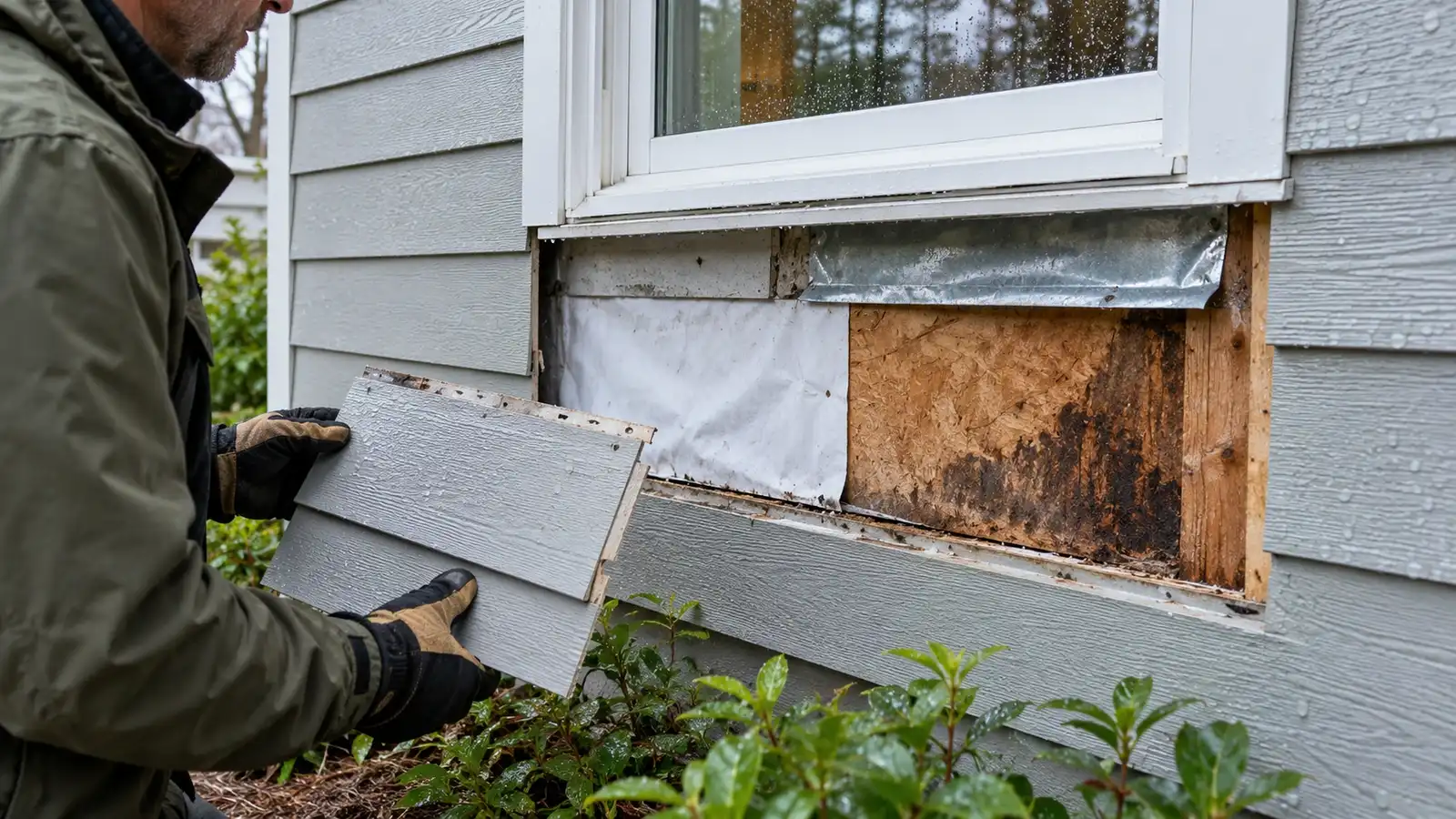
Separate surface resistance from wall protection
James Hardie designs its fiber cement products to resist moisture damage, and its climate-specific product guidance addresses different exposure conditions. That does not remove the need for correct installation. Confirm the product and instructions appropriate to the project location.
Vinyl does not decay like wood, but moisture can still damage wood sheathing and framing behind it. CertainTeed explicitly explains that vinyl siding is not watertight and calls for a weather-resistant barrier and flashing around windows and doors.
The useful question is therefore broader than “Which siding resists water?” Ask how the proposed wall will shed, drain, and dry after rain.
Investigate repeated trouble spots
Tell the contractor about stains below windows, recurring interior dampness, gutter overflow, or previous repairs. Photographs taken during rain may help identify where water travels.
Consider a hypothetical wall beside a porch roof. If roof runoff repeatedly enters the same corner, changing the siding material may leave the original problem unresolved. The estimate should address the water entry point and any damaged materials before the new exterior is installed.
A siding replacement assessment should distinguish what is visible before removal from what can only be confirmed after the wall is opened. Ask how unexpected findings will be photographed, explained, and approved.
That conversation makes both material options easier to evaluate. You are comparing two ways to finish a repaired wall, with a clear plan for handling the conditions underneath.
Do not seal every visible gap
Some gaps are intentional parts of the drainage system. James Hardie’s installation details, for example, identify locations above flashing that must remain uncaulked. Closing a drainage opening can interfere with the route intended for water to escape.
For a homeowner, the practical lesson is to request an explanation before treating every opening as a defect. Ask the installer to point out the joints that need sealant maintenance and the openings that must stay clear. This makes future maintenance more accurate and helps prevent a well-intended repair from creating a new problem.
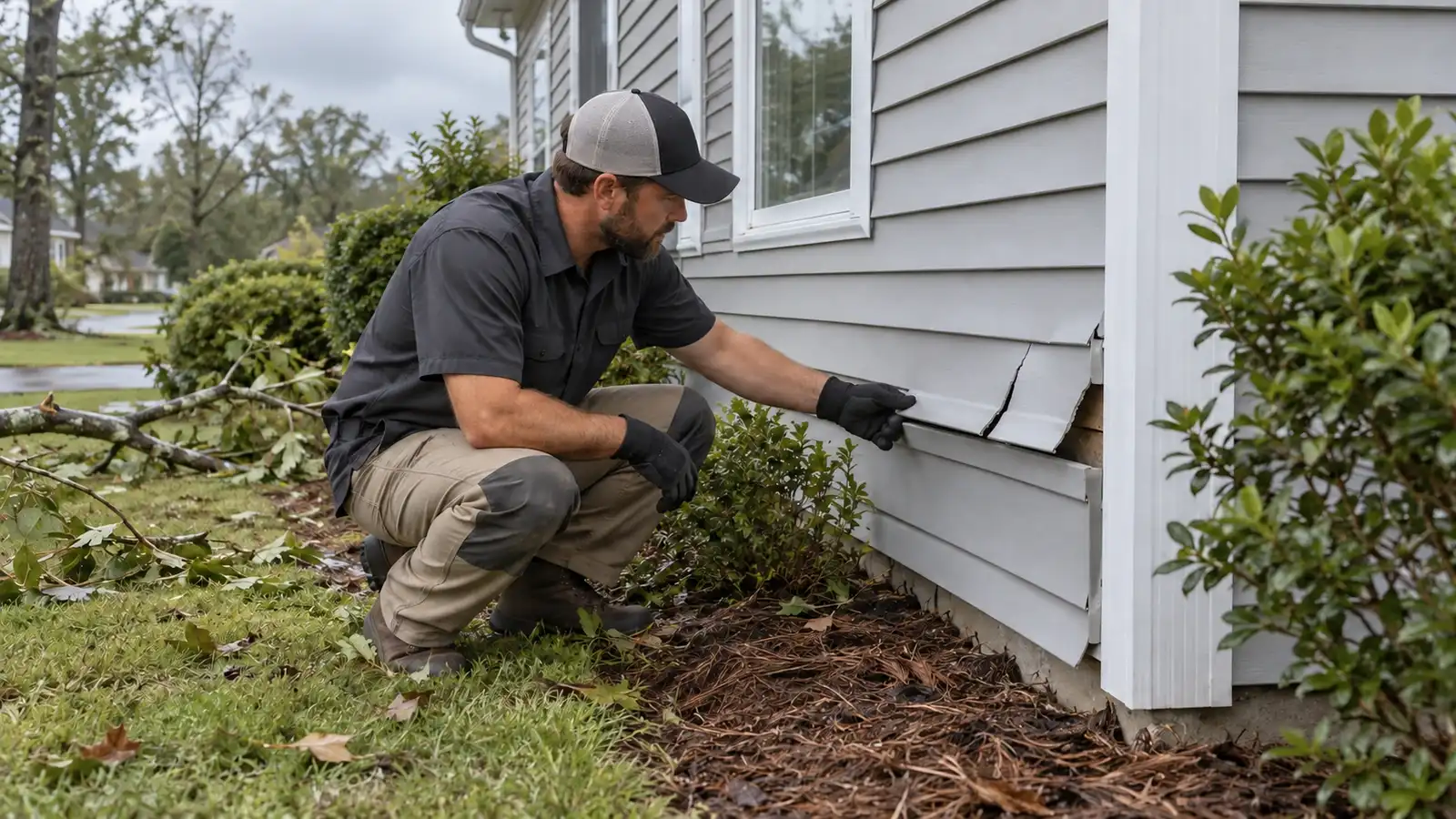
What Wind, Impact, and Heat Mean for Each Option
Wind performance depends on the specified installation
A material name alone does not establish wind resistance. The selected product, fasteners, backing, building conditions, and installation details work together.
The Vinyl Siding Institute explains that certified vinyl siding is tested for wind resistance and that its installation must support the stated rating. James Hardie likewise requires fastening appropriate to the product and project conditions. Ask your contractor to identify the applicable product documentation instead of relying on a broad “stormproof” claim.
For an exposed property, ask how the specification accounts for that exposure. Avoid comparing headline wind-speed figures from different products without understanding the conditions behind them.
Impact resistance is different from strength in wind
Wind resistance and resistance to a direct impact are different questions. A product can be securely attached and still suffer damage when struck by debris.
Neither option should be considered immune to impact. Ask what documentation is available for the exact product and what repairs would involve if a panel or board were damaged. Discuss everyday exposure too, including nearby play areas, lawn equipment, and branches.
This is a better basis for comparison than assuming the heavier material must win every durability test. If impact damage is a major concern, make it a specific requirement when requesting recommendations.
Fiber cement has a clear noncombustibility advantage
James Hardie identifies its siding as noncombustible under ASTM E136. The manufacturer also explains that paints and coatings can be damaged or char when exposed to flame. Noncombustible siding does not make the entire house fireproof.
Vinyl can soften or melt under sufficient heat. Concentrated sunlight reflected from nearby windows can cause distortion under particular conditions, although this does not affect every vinyl installation. A wall with a history of heat distortion deserves investigation before the same product is installed again.
Ask about the wall’s actual exposure, including nearby heat sources and reflected sunlight. The answer may affect material selection for that part of the home.
The Maintenance You Will Actually Need to Plan For
Cleaning is part of owning either material
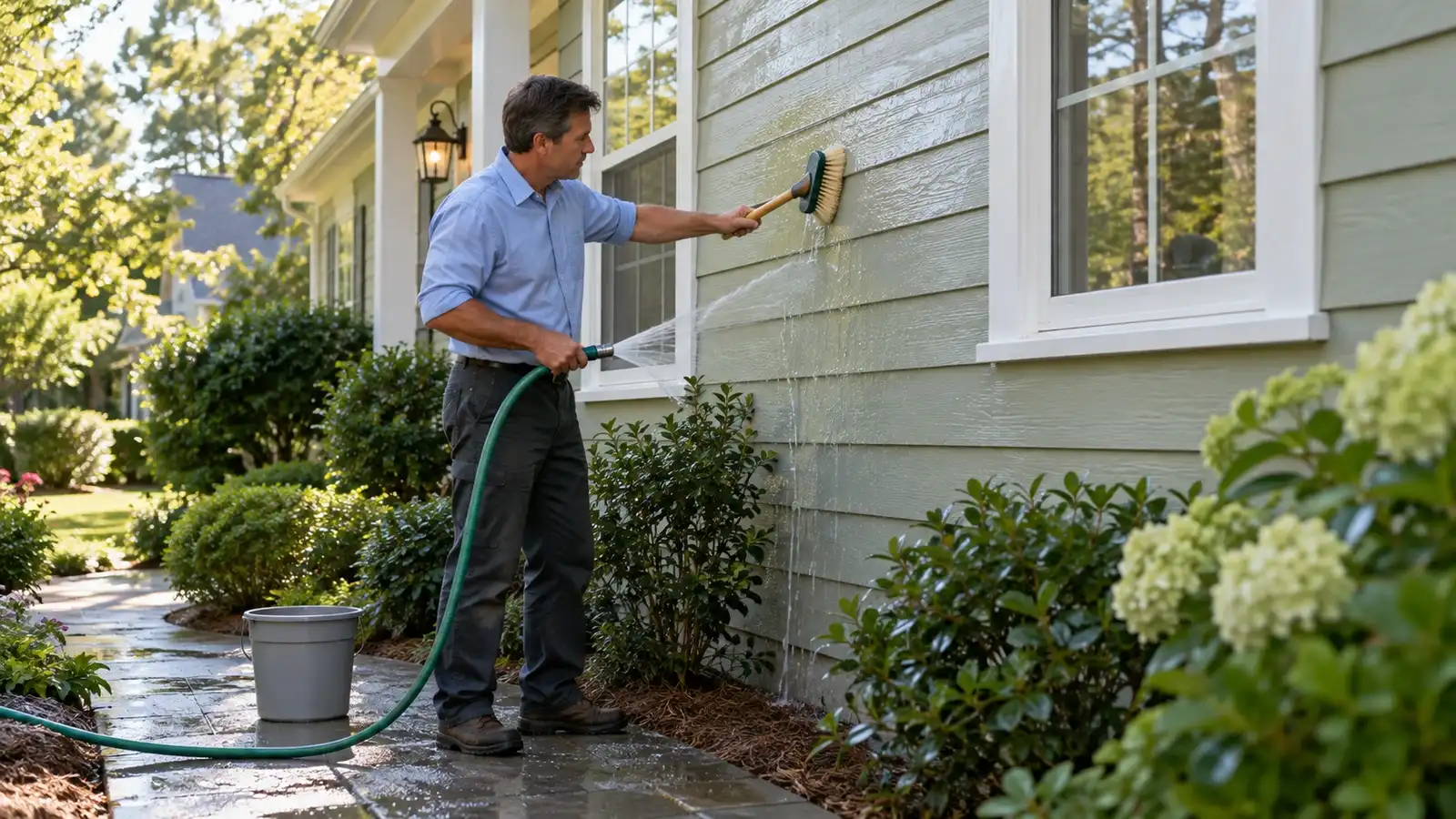
Low maintenance still includes cleaning. James Hardie recommends cleaning its siding approximately every six to twelve months with a garden hose and a suitable soft brush. Its guidance warns that high-pressure washing can damage the surface.
CertainTeed also recommends gentle cleaning for vinyl and advises against power washing because it can cause damage, discoloration, or moisture intrusion. Follow the care instructions for your particular product rather than assuming one cleaning method suits every exterior.
Think about access before selecting a finish. A shaded wall above a porch may require a different cleaning plan from a wall reachable from the ground. Ask how the difficult areas of your home can be maintained.
Painting creates a meaningful difference
Vinyl’s main maintenance advantage is avoiding routine repainting. With fiber cement, distinguish factory-finished ColorPlus products from primed boards that receive paint after installation. James Hardie confirms that its siding is paintable and offers dedicated touch-up products for its factory finish.
Future painting needs depend on the finish and its condition. A finish warranty is not a promise that every exterior will need repainting on the same anniversary.
If you like changing exterior colors, fiber cement’s paintable surface may appeal to you. If arranging future painting is something you want to avoid, give vinyl more weight in the decision.
Make repair planning part of the purchase
Ask how a damaged section would be replaced and whether matching profiles, colors, and accessories are readily available. Request written product details and discuss whether keeping spare material is sensible.
Also ask what the contractor will investigate before replacing a damaged piece. A repair caused by an isolated impact is different from one caused by repeated water entry or an installation problem.
For localized damage, a professional siding repair evaluation can help determine whether a targeted repair is practical before you commit to replacing an entire elevation.
Energy Efficiency Depends on the Wall Assembly
Do not assume that heavier siding automatically provides better insulation. Your wall’s thermal performance depends on the insulation, framing, and air-control details as well as the exterior covering.
Compare standard vinyl with insulated vinyl correctly
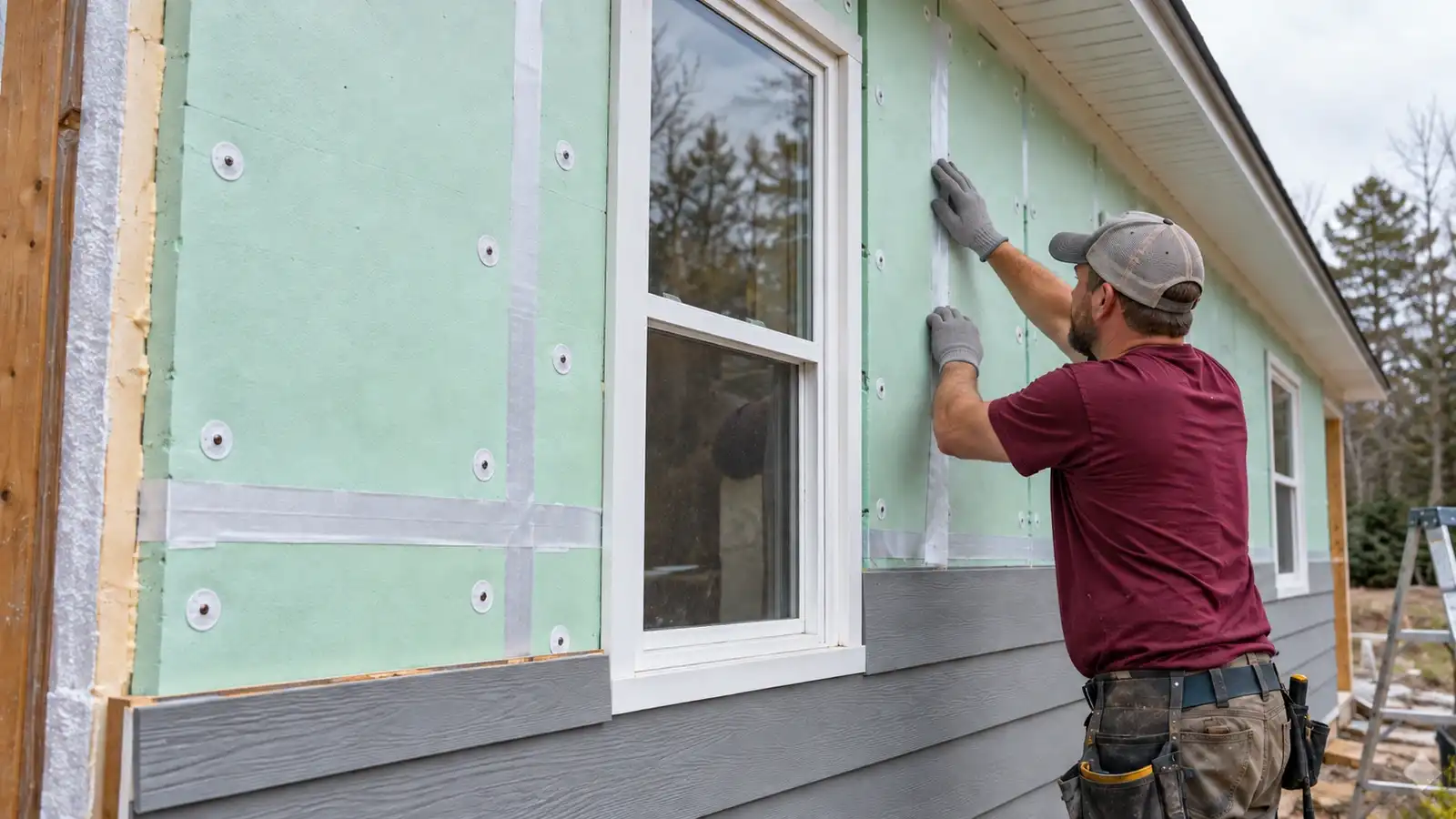
Insulated vinyl includes a layer of rigid foam attached to the siding. The U.S. Department of Energy explains that this can reduce thermal bridging, which is heat transfer through framing that bypasses insulation between the studs. It is a different product from conventional hollow-back vinyl siding.
Ask for the documented R-value of the proposed product. R-value describes resistance to heat flow. A product-level rating does not, by itself, predict the energy savings for your particular home.
Consider insulation separately with fiber cement
Fiber cement can be part of a wall assembly that includes continuous exterior insulation. DOE describes exterior rigid insulation as a way to add thermal resistance and reduce heat transfer through framing. The contractor must plan compatible fastening, flashing, and opening details for the selected assembly.
This gives you a more useful comparison: fiber cement with the proposed insulation package versus the specified vinyl system. Comparing insulated vinyl with fiber cement installed without added insulation answers a different question from comparing the siding materials alone.
If comfort is a major reason for remodeling, ask where the current problems originate. Drafts around openings may need attention that new siding alone will not address. Homeowners already considering window replacement can discuss the sequence of both projects before either begins.
Request separate pricing for energy-related improvements. That helps you understand which work addresses comfort and which work changes appearance.
Installation Details That Deserve Your Attention
The installation proposal should explain what the crew will do before the first new board or panel goes up. Product selection matters, but preparation and detailing determine whether the finished exterior can perform as intended.
What to ask about fiber cement installation
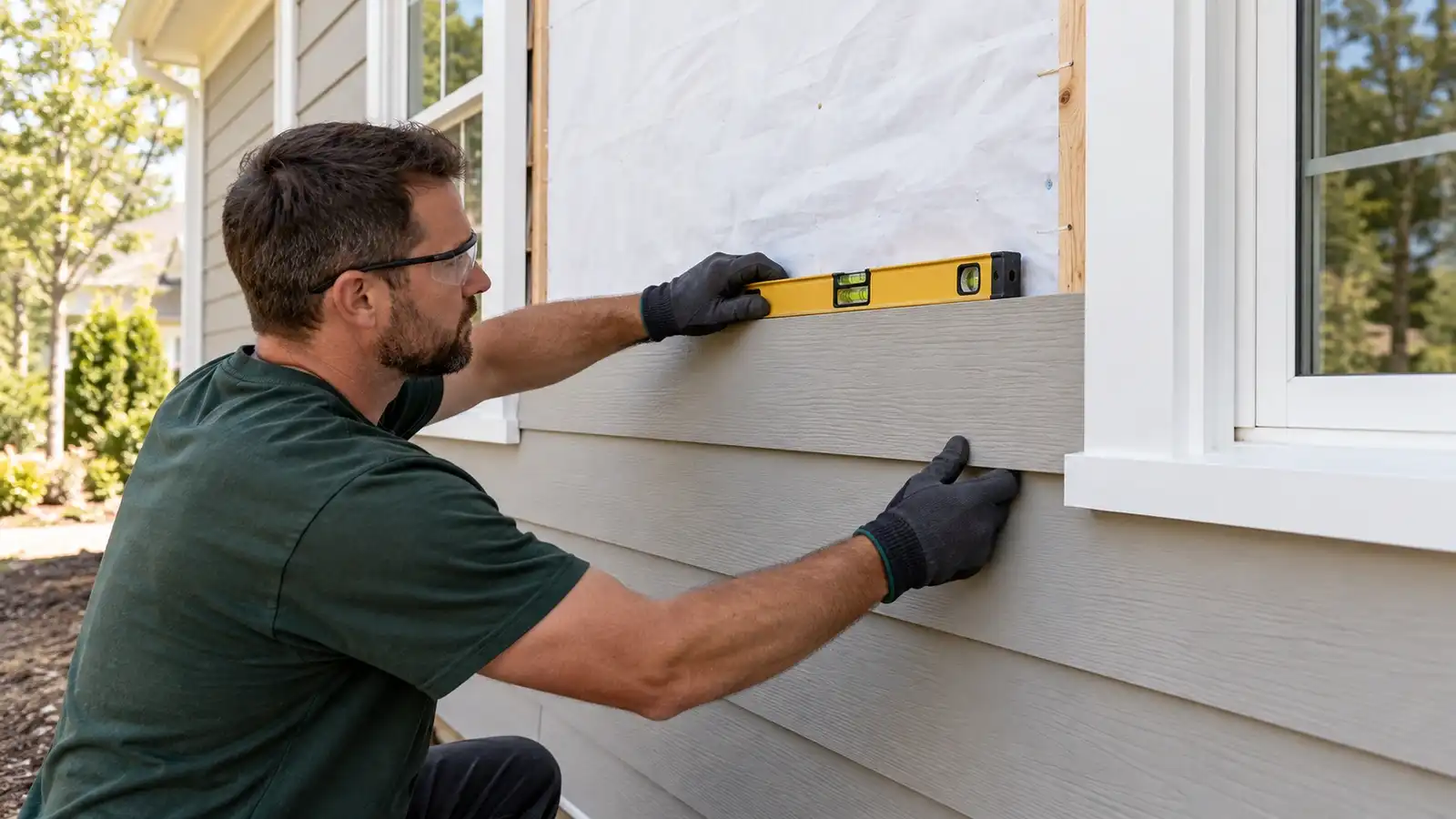
Ask which James Hardie instructions apply to the chosen product and location. Discuss material storage, handling, fastening, required clearances, and treatment of cut edges. The manufacturer’s installation guidance addresses these details because they affect the completed system.
You should also understand the cutting and cleanup plan. Ask where materials will be cut, how dust will be controlled, and how nearby windows, landscaping, and occupied areas will be protected.
These questions help you compare contractors’ working methods without trying to supervise every technical step yourself.
What to ask about vinyl installation
Vinyl must be able to move as temperatures change. CertainTeed emphasizes allowing expansion and contraction, positioning fasteners correctly, and avoiding fastening panels too tightly. A smooth, properly prepared surface also supports a better finished appearance.
Ask how the crew will handle corners, openings, the first course, and the final course. Confirm that the accessories are intended for the selected profile. A complete specification is more useful than a quote that simply says “install vinyl siding.”
Agree on a review process before work starts
For either material, request a plan for these stages:
- Review the existing exterior and identify known concerns.
- Remove the agreed materials and document concealed conditions.
- Complete approved repairs and water-management work.
- Install the specified siding and accessories.
- Inspect the work, clean the property, and provide product records.
Ask when you will receive updates and who can approve additional work. Request photographs of repairs and flashing before those areas are covered.
When comparing professional siding installation, review insurance documentation, any applicable licensing, relevant project examples, and the written scope. Lane’s Contracting’s customer testimonials provide another place to assess reported customer experiences alongside those project details.
Lifespan and Warranty Coverage Are Different Questions
Siding does not have a guaranteed replacement date simply because it belongs to a particular material category. Exposure, installation, maintenance, finish condition, and damage history all influence when repairs or replacement become necessary.
Treat broad lifespan claims cautiously. Ask what they assume about upkeep and what happens if the finish wears out while the siding underneath remains serviceable.
Separate Hardie’s siding warranty from its finish warranty
James Hardie currently describes its fiber cement siding coverage as a transferable, 30-year, non-prorated limited substrate warranty. The substrate is the siding material itself. Its ColorPlus finish has a separate 15-year limited warranty covering specified finish issues, including peeling, cracking, and chipping.
Those are different forms of protection. A substrate warranty does not promise that every part of the exterior, every installation detail, or every paint coating is covered for the same period.
Request the actual warranty documents for the products being supplied. Confirm the remedy, exclusions, claim process, and transfer requirements instead of relying only on the headline term.
“Non-prorated” addresses whether applicable coverage is reduced solely as the product ages. It does not eliminate the warranty’s conditions or expand it to every possible cause of damage. Compare the actual remedy as carefully as the duration. A longer headline term is less useful if you misunderstand which costs a covered claim would address.
Evaluate vinyl warranties by product line
Some vinyl products carry lifetime limited warranties. For example, CertainTeed lists that coverage for its Board & Batten vinyl siding. The word “lifetime” should prompt a closer review of the document, including whose ownership it refers to and what conditions apply.
Ask the following questions about either siding proposal:
- What defects or failures are covered?
- Are labor, removal, disposal, and replacement materials included?
- Does coverage change over time or after a sale?
- How are fading, impact damage, and heat exposure treated?
- What installation and maintenance obligations apply?
Get the workmanship terms in writing
The installer’s promise is another part of the decision. Ask who handles problems involving installation and how that responsibility differs from a manufacturer’s product claim.
Keep your signed scope, invoices, product names, warranty documents, and project photographs together. Clear records make future maintenance, repairs, and questions about coverage easier to manage.
Which Material Fits Your Priorities and Ownership Plans?
The practical choice follows from the trade-offs above. Start with the features that matter most to your household, then see which complete proposal delivers them within your budget.
When James Hardie deserves a closer look
Fiber cement may be a strong fit if you prefer a painted exterior, value noncombustible cladding, and are comfortable planning for finish maintenance. It also deserves consideration when the design you want depends on a particular Hardie profile or trim treatment.
Imagine planning to remain in your home for many years. If you strongly prefer the appearance and can fund both proper wall preparation and the material upgrade, the additional upfront expense may be worthwhile to you.
That is a preference-based decision. It does not require a promise that the upgrade will pay for itself at resale.
When vinyl may be the more practical choice
Vinyl may suit a homeowner whose priorities are controlling the initial cost and avoiding a repainting cycle. It can also leave more room in the project budget for repairs, flashing, or insulation identified during planning.
For example, if the wall needs substantial preparation, selecting a suitable vinyl product could make it easier to complete that necessary work without stretching the budget for decorative upgrades.
The key is specifying a product you are comfortable owning, with an appearance and maintenance plan you understand.
Keep resale expectations grounded
If you expect to sell soon, compare your planned exterior with similar homes and ask a local real estate professional about buyer expectations. Do not assume a national remodeling return percentage predicts your property’s sale price.
It can help to rank your priorities before reviewing the final prices. Put appearance, initial cost, painting, fire behavior, and energy-related improvements in the order that matters to you. Then note which proposal meets each priority. If the preferred option leaves necessary repairs unfunded, revisit the design or product selection before proceeding. A clear priority list also keeps a small sample or a promotional warranty headline from deciding the entire project.
For either material, ask yourself: Would I still choose this project if resale added less value than I hoped? That question keeps the decision focused on the house’s condition, your use of it, and a budget you can support.
Questions Homeowners Ask Before Choosing New Siding
Can James Hardie siding replace existing vinyl?
Yes, but the proposal should specify removal and preparation. Do not assume new fiber cement can simply be attached over existing vinyl. The installer needs to evaluate the backing, fastening requirements, water barrier, and wall condition for the selected system. Ask how trim depth and transitions will be handled when the materials change.
Is all siding described as “Hardie board” made by James Hardie?
Ask for the manufacturer and exact product name. “Fiber cement” identifies a material category; James Hardie identifies a manufacturer. Your estimate, delivered materials, and warranty paperwork should agree. This prevents an informal label from obscuring which product you are actually purchasing.
Can I use fiber cement and vinyl on the same house?
Ask your contractor to evaluate the proposed combination. The design needs a clear plan for transitions, trim, water drainage, colors, and the requirements of both products. Request drawings or a marked-up elevation before ordering. A mixed-material project should have an intentional design and a defined installation scope.
How long will siding replacement take?
The schedule depends on the house, access, material availability, preparation, repairs, weather, and finishing work. Ask for a project-specific sequence, including when the house will be opened, how exposed areas will be protected, and what could change the completion date. Distinguish the ordering lead time from the time crews will be working at your property.
Should I repair my current siding before considering replacement?
Have the condition assessed before deciding. An isolated damaged area may justify repair, while widespread deterioration or recurring problems may call for a broader project. Reviewing the signs your home needs new siding can help you identify concerns to discuss during the visit. Appearance alone should not determine the extent of the work.
Compare Siding Options With Lane’s Contracting
Lane’s Contracting provides James Hardie siding installation, vinyl siding installation, siding replacement, and siding repair for Smithfield and surrounding North Carolina communities. You can check the company’s service areas when planning your project.
Bring your priorities to the estimate: the appearance you prefer, any recurring exterior problems, your budget, and how much future maintenance you want to manage. Request a written scope that identifies the selected product, preparation, trim, finishing, and warranty information.
If you are still deciding, ask for both materials to be evaluated against the same project requirements. That gives you a clear basis for choosing the siding that fits your home.
The post James Hardie Siding vs Vinyl Siding: Which Is Better for Your Home? appeared first on Lanes Contracting.
source https://lanescontracting.com/james-hardie-vs-vinyl-siding/


No comments:
Post a Comment